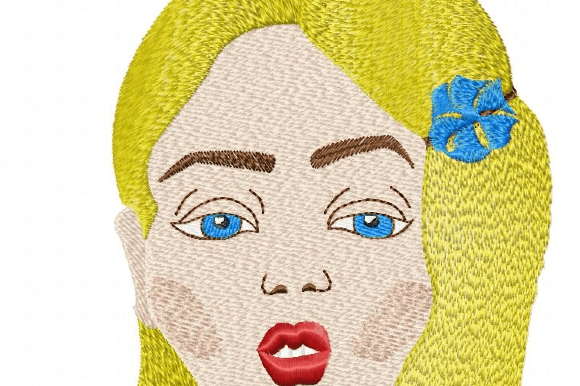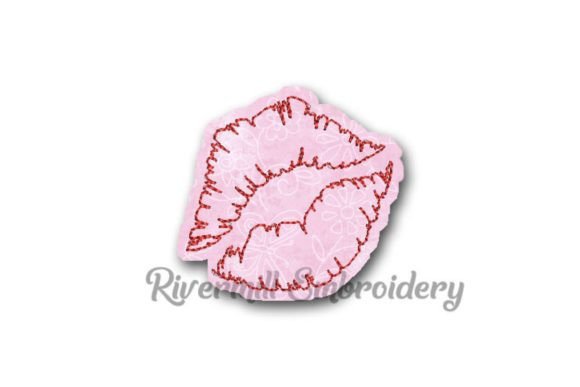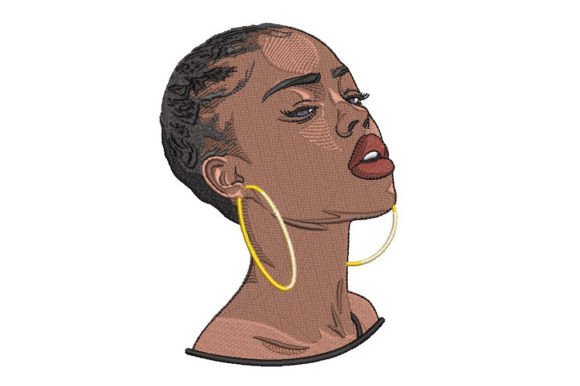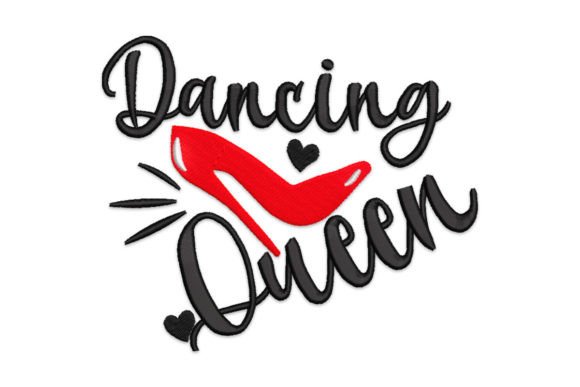
Dancing Queen Embroidery Design
First Impression: Bold, Elegant, and Instantly Memorable
As an embroidery designer who’s prepped over 200 craft fair booths—and sold thousands of handmade products—I opened Dancing Queen expecting charm. What I got was confidence. The title alone evokes movement, joy, and quiet sophistication—not glittery kitsch or dated retro. It reads as elegant but approachable, with a subtle nod to vintage glamour that fits seamlessly into modern farmhouse, boutique gift, and artisanal home decor markets. This isn’t a “cute” design—it’s a presence. That matters when your booth has 37 other vendors competing for attention in under 10 seconds.
Where Dancing Queen Shines on Craft Fair Products
Tote bags: A standout. Positioned mid-panel on a natural canvas or oat linen tote, Dancing Queen reads clearly from six feet away—no squinting, no confusion. Its balanced composition (implied motion + graceful line work) gives rhythm without clutter. Ideal for shoppers seeking functional art, not just storage.
Aprons and tea towel embroidery: On a black or indigo apron, this design adds refined personality without overwhelming utility. On a flour-sack tea towel? It elevates the everyday—customers consistently pay 25–40% more for towels with intentional, non-cliché embroidery like Dancing Queen. Avoid placing it too low near hems; center or upper-third placement maximizes visibility during booth browsing.
Embroidered patches and fabric pouches: Here’s where Dancing Queen proves its versatility. As a 3.5"–4" patch, it holds detail beautifully on twill or denim. On a drawstring pouch (especially in muted rust, sage, or heather gray), it becomes a tactile signature—small enough for impulse buys, distinctive enough to drive repeat customers.
Pillow covers and caps: Works best on smooth, medium-weight fabrics—think cotton-linen blends or brushed poly-cotton. On curved cap surfaces, test stitch density first: tight fills may pucker. For pillow covers, scale up to 5.5"–6"—it gains presence without sacrificing clarity. Avoid ultra-textured fabrics (like heavy bouclé or thick terry) unless you reinforce stabilizer layers.
What Makes Dancing Queen Sell—Beyond Aesthetics
This isn’t just about prettiness. Dancing Queen performs like a seasoned vendor: it’s instantly legible, scales predictably, and photographs exceptionally well—even in flat-lay Etsy listings or Instagram Reels. Its clean silhouette translates across light and dark backgrounds, and its implied motion invites engagement (“Is she twirling? Leaping? Celebrating?”). That subtle narrative sparks conversation at craft fairs—critical for turning browsers into buyers.
For small shop owners and Etsy sellers, Dancing Queen strengthens brand consistency. Pair it with minimalist packaging and cohesive thread palettes (ivory, charcoal, dusty rose), and it signals intentionality—not just “another embroidery file.” It also supports batch production: moderate stitch density means faster run times and lower thread waste, while generous negative space reduces hooping fatigue during long prep days.
Careful-Use Notes Every Designer Must Check
- Dense stitch areas: Review fill sections closely—some versions of beauty-themed designs pack too much density into small zones. If your sample puckers or feels stiff, reduce fill density by 5–8% or switch to a lighter stabilizer.
- Tiny details & lettering: If Dancing Queen includes fine script or delicate flourishes, avoid scaling below 3". Test on scrap first—tiny loops or serifs vanish on textured towels or curved cap fronts.
- Dark fabric & contrast: This design thrives with high-contrast thread (e.g., cream on navy, charcoal on ecru). On black fabric, skip off-white threads—opt for matte silver or deep plum for legibility.
- Hoop size & fabric texture: Confirm the required hoop size before cutting fabric—oversized hoops create unnecessary bulk on small items like patches or pouches. And never skip testing on your actual fabric: a tea towel’s loop pile eats fine detail; a stiff denim cap front resists fluid curves.
Practical Embroidery Designer Notes Before Booth Day
- Test on scrap fabric—same type, same dye lot, same wash history—as your final product.
- Check thread contrast in both daylight and booth lighting (warm LED strips often mute cool tones).
- Review spacing between elements: tight kerning looks elegant on screen but blurs when stitched at 3.75".
- Confirm hoop size matches your machine’s capabilities—and your smallest product dimensions.
- Inspect stitch density visually: if fills look muddy or overly rigid, adjust underlay or reduce satin column width.
- Use the right stabilizer: tear-away for stable wovens, cut-away for knits or stretchy caps, and hybrid for textured towels.
- Create at least one real mockup—not just a digital preview. Hold it. Drape it. See how light hits the stitches.
- Compare fabric colors side-by-side: ivory vs. natural vs. unbleached—subtle shifts change how Dancing Queen reads.
- Confirm commercial licensing before selling finished products. This is non-negotiable for Etsy sellers and wholesale partners.
Final Thought: Dancing Queen Is Booth-Ready—If You Respect Its Rhythm
Dancing Queen isn’t background decoration. It’s a statement piece disguised as effortless grace. When placed thoughtfully on a well-chosen tote bag or embroidered patch, it tells customers: You’re buying something made with care, not just stitched with speed. That perception lifts perceived value, supports premium pricing, and builds trust—whether you’re handing a pillow cover across a craft fair table or shipping a handmade gift to a loyal Etsy buyer. Just remember: great embroidery files don’t sell themselves. They sell when paired with smart fabric choices, tested execution, and the confidence to let beauty breathe. Now go hoop it—and dance your way to better margins.