Wheat Vine Embroidery Design Review
First Impressions of Wheat Vine
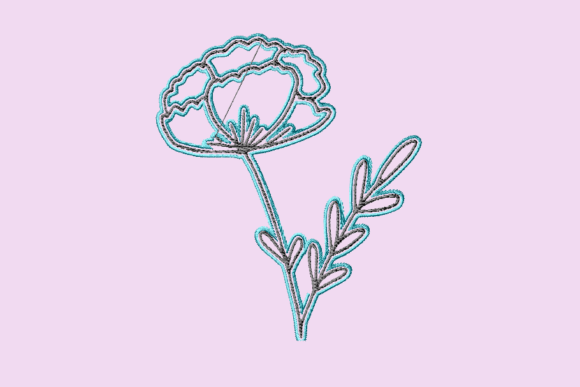
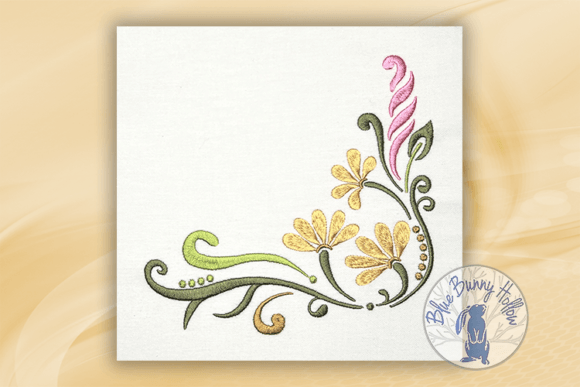
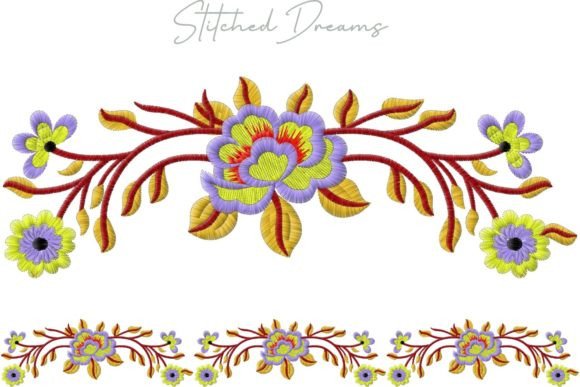
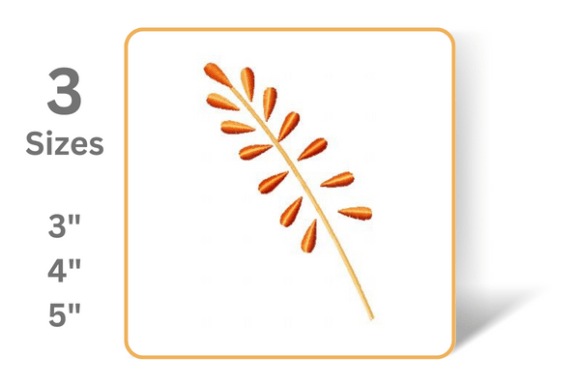
As an experienced embroidery designer, I was immediately drawn to the Wheat Vine design for its elegant and versatile nature. This floral embroidery piece carries a warm, seasonal mood that feels both cozy and refined. The intricate details of the vine and flowers suggest a decorative style that can elevate any project with a touch of natural beauty.
The emotional tone of Wheat Vine is soft yet striking, making it perfect for holiday and seasonal use. It has a nostalgic quality that could bring a sense of comfort to handmade gifts or home decor. Whether you're aiming for rustic charm or a more modern aesthetic, this design offers a balance that feels timeless and adaptable.
Seasonal and Holiday Use Cases
Wheat Vine is ideal for a variety of seasonal projects. Imagine adding it to a sweatshirt embroidery for a cozy winter look or using it as a tote bag design for springtime shopping. It also works beautifully on kitchen towel embroidery, giving a farmhouse feel to everyday items.
For personalized gift ideas, this design can be used on pillow covers, embroidered patches, or even ornaments. Its versatility allows it to be adapted for different occasions, from Thanksgiving to Christmas, making it a valuable addition to any holiday product collection.
As an Etsy seller, I see potential in using Wheat Vine for limited edition apparel or family matching items. It could also serve as a key element in gift bundles, offering a cohesive and visually appealing theme that resonates with customers looking for meaningful, handmade items.
Performance in Real Holiday Selling Situations
This design performs well in various selling environments. For craft fair displays, the visual appeal of Wheat Vine can attract attention and spark interest in your products. When used in printable mockup graphics, it helps showcase how the design will look on different items before production begins.
In commercial embroidery scenarios, Wheat Vine can be a reliable choice for small shop product lines. Its ability to translate well into digital embroidery file formats makes it easy to integrate into existing workflows. It also supports brand consistency when used across multiple product types, such as apron embroidery or baby items.
When planning social media previews or product mockups, the design’s detail level ensures that it looks great in high-quality images. This can help build customer trust and encourage engagement during busy holiday shopping periods.
Considerations for Careful Use
While Wheat Vine is a strong design, there are some situations where it may require extra attention. For example, if you’re working with small hoop sizes, you may need to adjust the design or break it into sections to ensure proper stitching. Similarly, thick towels or dark fabric might affect the visibility of the design, so testing with different thread colors is recommended.
If you plan to use metallic thread or work on stretchy garments, be mindful of how the design interacts with the fabric texture. Stabilizer use is crucial in these cases to prevent puckering or distortion. Additionally, stitch density should be checked to ensure the design remains sharp and clean after repeated washing.
Impact on Seasonal Appeal and Buyer Emotion
Wheat Vine adds a unique visual recognition factor that can enhance the seasonal appeal of your products. Its floral elements evoke a sense of warmth and tradition, which can resonate deeply with buyers looking for meaningful, handcrafted items. This emotional connection often translates into higher product value and increased giftability.
As a handmade gift, Wheat Vine can be a standout piece that reflects thoughtfulness and care. It also supports customer trust by showing that you’ve invested in quality designs that deliver on their promises. When used consistently across your product line, it helps reinforce your brand identity and create a memorable shopping experience.
Practical Designer Notes
Before finalizing any project, I recommend testing the Wheat Vine design on different fabrics to see how it behaves. Pay close attention to stitch density and ensure that the hoop size matches your machine’s capabilities. Using the right stabilizer can make a big difference in the outcome, especially on challenging materials.
Creating realistic mockups and reviewing small details after stitching will help maintain the integrity of the design. Also, consider planning matching color palettes to ensure the final product aligns with your seasonal themes. Lastly, always double-check the Creative Fabrica embroidery product details and licensing terms before selling finished items.