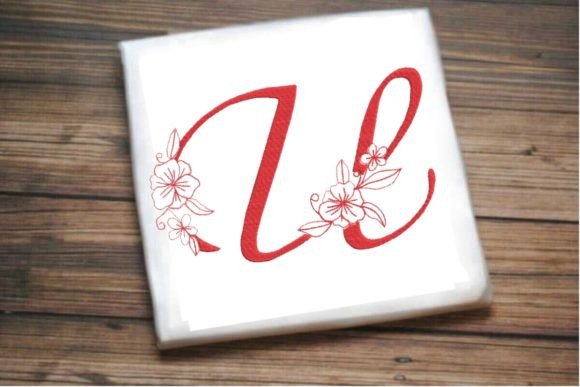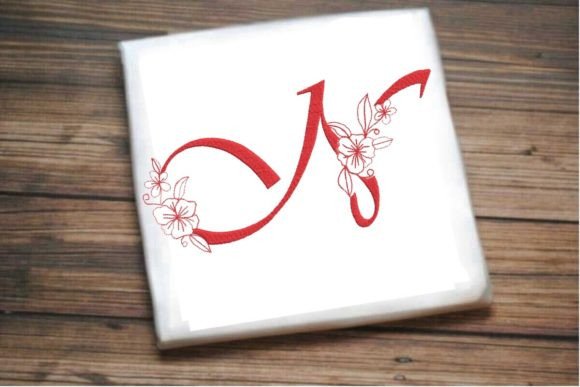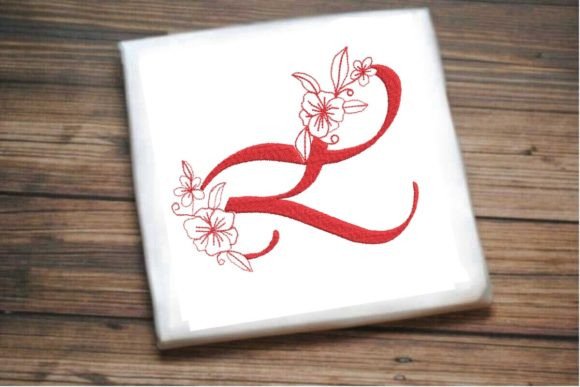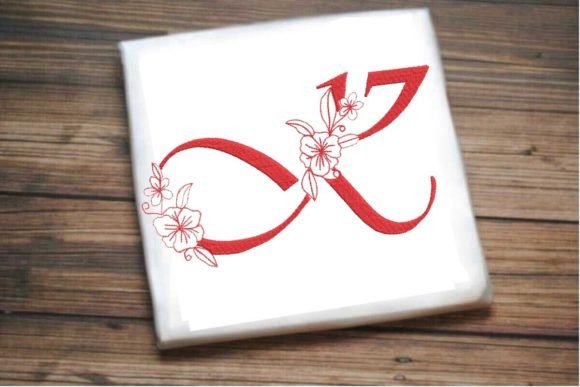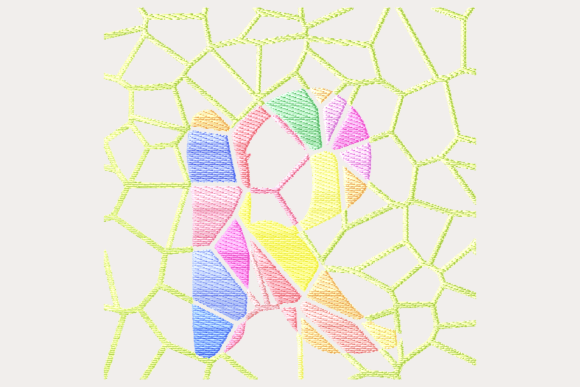
Monogram R Mosaic
First Impression: Elegant, Personal, and Quietly Commanding
As an embroidery designer who’s curated over 200 craft fair booths—and watched thousands of shoppers pause at a single stitch—I’ll say it plainly: Monogram R Mosaic lands with quiet confidence. It doesn’t shout “wedding!” or “rustic charm!”—it whispers *refinement*. Based on the title and description (“exquisite artistry,” “stunning masterpiece,” “elegance and personalization”), this isn’t a playful script or a chunky farmhouse monogram. It’s a Wedding Monogram that leans into mosaic texture—suggesting subtle geometry, layered detail, and handcrafted intention. That makes it instantly attractive to boutique makers, Etsy sellers, and small shop owners who sell heirloom-quality handmade product—not fast craft, but meaningful craft.
Where Monogram R Mosaic Shines On Craft Fair Products
In my booth setup, I test every design across six high-traffic items: embroidered tote bags, aprons, tea towels, patches, fabric pouches, and pillow covers. Here’s how Monogram R Mosaic performs:
- Tote bag design: Works beautifully centered on the front panel—large enough to read from 3 feet away, detailed enough to invite closer inspection. Its mosaic quality reads as premium, lifting an otherwise simple canvas tote into a giftable handmade product.
- Apron embroidery: Ideal for the chest pocket or lower left corner. The balance of letterform and texture keeps it legible even when slightly angled—critical for aprons worn while moving around a market stall.
- Tea towel embroidery: A standout. Linen and cotton tea towels highlight stitch variation; Monogram R Mosaic’s layered look gains depth against natural fabric texture. Avoid overly thick terry—we’ll cover that in careful-use notes.
- Embroidered patch: Highly effective at 3–4” width. Clean outer shape + internal mosaic rhythm creates strong visual hierarchy—ideal for sew-on or iron-on use on denim jackets, market bags, or kids’ backpacks.
- Fabric pouch & pillow cover: Perfect scale for 5”–7” focal placement. The design feels intentional—not filler—and elevates perceived value without requiring extra embellishment.
What Makes It Sell—Beyond the Stitch
Monogram R Mosaic succeeds where many monograms fail: it balances recognition and artistry. Shoppers instantly see the “R”—no decoding needed—but linger because of the mosaic treatment. That duality drives booth engagement: people stop, point, ask “Is that hand-stitched?” (even if machine-embroidered), and imagine it on their own wedding guest towels or bridal party robes.
For Etsy sellers and digital embroidery file shops, it photographs exceptionally well—especially with soft natural light and neutral backdrops. Its elegance translates cleanly to printable mockups, making listings feel cohesive and high-end. And yes—it’s repeatable. Unlike ultra-dense floral monograms or micro-lettered scripts, Monogram R Mosaic maintains clarity across batch production, provided stitch density is verified before hooping.
Careful-Use Notes: Protect Your Production Integrity
This isn’t a “hoop-and-go” design—and that’s a strength, not a flaw—if you respect its needs:
- Avoid dense stitch areas on highly textured towels (like heavy waffle weave) unless you’ve tested stabilizer pairing—excess loft can blur mosaic definition.
- Small lettering? Not an issue—the “R” is dominant, but confirm spacing between inner mosaic elements isn’t too tight for your thread weight (40wt recommended).
- Curved cap surfaces demand careful digitizing review—if this is a commercial embroidery file, verify underlay and push-pull compensation are built in.
- Dark fabric requires contrast testing: ivory thread on charcoal linen reads beautifully, but navy thread on black cotton may mute detail. Always test thread colors on your actual base fabric.
- At sizes under 2.5”, mosaic subtlety fades. Stick to 3” minimum for patches or pouch accents.
Designer-to-Designer Production Checklist
Before cutting fabric or uploading to your embroidery machine, run this live test:
- Stitch out Monogram R Mosaic on scrap fabric matching your intended product (e.g., unbleached linen for tea towels, twill for caps).
- Check thread contrast in daylight—not just under booth lighting.
- Review spacing: does the mosaic rhythm feel even? Are any sections overcrowded?
- Confirm hoop size fits your largest intended application—don’t assume standard 4x4 works for pillow covers.
- Inspect stitch density: if the design feels stiff or puckers easily, add lightweight tear-away stabilizer beneath and cutaway behind.
- Create one real mockup—not digital—on your final fabric. Hold it at arm’s length. Does the “R” pop? Does the mosaic feel intentional, not muddy?
- Compare across 2–3 fabric colors: cream, oat, and charcoal reveal how warmth or coolness shifts perception.
- Finally—verify commercial licensing. Since this is positioned as a Wedding Monogram and Embroidery product, ensure your digital embroidery file or physical kit permits finished-product resale.
Why This Belongs in Your Next Craft Fair Lineup
Monogram R Mosaic strengthens your booth display by adding tonal sophistication—without sacrificing approachability. It attracts buyers who value craftsmanship over trend-chasing: newly engaged couples, interior-focused gifters, and collectors of tactile handmade product. It pairs effortlessly with neutral palettes, linen textures, and minimalist packaging—making your entire table feel intentional, not cluttered.
Most importantly, it invites storytelling. When a customer asks, “What’s the mosaic about?”—you’re not explaining stitches. You’re sharing intention: personalization with dimension, tradition with texture, elegance with authenticity. That’s what turns a $28 embroidered tea towel into a keepsake. That’s what makes Monogram R Mosaic more than a design—it’s a conversation starter, a value amplifier, and a quietly confident craft fair product.