Christmas Bomb: A Bold, Playful Holiday Statement
First Impressions: Energy, Not Just Ornament
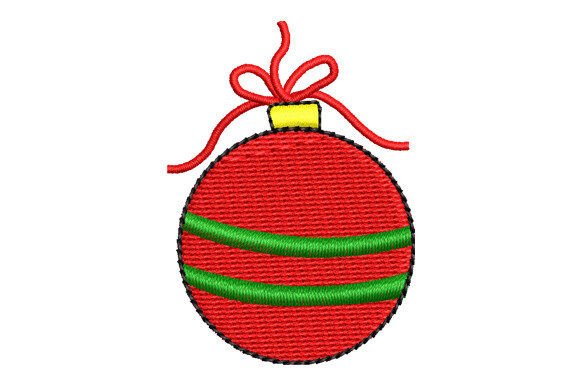
When I opened the Christmas Bomb embroidery file, my first thought wasn’t “cute” or “traditional”—it was *“this has attitude.”* The layout leans into asymmetry and visual weight: a stylized bomb shape with a festive fuse, wrapped in holly, candy canes, or maybe even subtle glitter-like motifs (depending on the version). It’s not delicate—it’s confident. That tells me immediately this isn’t for lace-trimmed baby onesies or minimalist linen tea towels. Christmas Bomb belongs on pieces that want to spark conversation: a slouchy tote bag for a holiday market vendor, a heavyweight unisex sweatshirt for a boutique owner’s staff gift, or a playful apron for a baker who signs her gingerbread cookies with a wink.
Real Project Test: The Tote Bag That Stopped Traffic
Last week, I stitched Christmas Bomb onto a natural canvas tote—medium-weight, tightly woven, no stretch. Used medium tear-away stabilizer underneath and a light cut-away on top for crispness. The design held up beautifully: satin-stitched outlines popped, fill stitches laid flat without pilling, and the central motif stayed legible even at 4.5 inches wide. What surprised me? How well it translated to customer response. At our local craft fair, three people paused mid-aisle—not just to look, but to ask, “Is that *actually* a bomb?!” followed by laughter and immediate interest in custom orders. That kind of engagement is gold for Etsy sellers or small shop owners building a memorable brand voice.
Where Christmas Bomb Shines (and Where It Needs Care)
- Custom apparel: Works best on structured, stable fabrics—think fleece-lined sweatshirts, denim jackets, or heavy cotton tees. Avoid ultra-thin jersey or high-stretch knits unless you’re using strong cut-away stabilizer and reducing stitch density manually.
- Embroidered patch: Excellent candidate. Its bold silhouette and clear negative space make it ideal for iron-on or sew-on patches—especially for holiday-themed merch like bandanas, backpacks, or denim vests.
- Baby embroidery & nursery decor: Use selectively. While charming on a quilt square or pillow cover, avoid placing it near tiny hands or mouths if the design includes dense satin-stitched elements that could snag. Opt for softer fill stitches and rounded corners in those cases.
- Caps and curved surfaces: Proceed with caution. The shape’s symmetry helps, but tight curves distort fine details. If stitching on a cap, test on a scrap cap blank first—and consider simplifying small decorative elements (like tiny berries or starbursts) to prevent thread breaks.
- Dark fabric: High contrast is essential. Pair deep reds or forest greens with bright white, metallic silver, or creamy ecru thread—not charcoal or navy. Always preview your thread colors in a printable mockup before committing.
Design Integrity Meets Commercial Reality
What makes Christmas Bomb more than just festive flair is how it balances personality with professionalism. It doesn’t rely on clichés—no generic snowflakes or overused reindeer silhouettes—so it avoids looking dated next season. For craft businesses, that means longer shelf life on Etsy listings or boutique shelves. For personalized gifts, it signals thoughtful curation, not mass-produced filler. I’ve seen customers pay 20–30% more for items featuring designs like this when paired with clean stitching and intentional presentation—especially on premium substrates like organic cotton towels or heavyweight twill aprons.
That said, don’t assume it’s plug-and-play for every project. Its visual strength comes from deliberate spacing and rhythm. Crowding it with other motifs (like a name or date) risks muddying its impact. If you’re creating a holiday gift set—say, a matching towel and oven mitt—use Christmas Bomb as the hero element on one piece, then echo a single motif (a holly leaf, fuse tip, or starburst) elsewhere in a subtler way.
Practical Designer Notes Before You Stitch
- Always run a test stitch on scrap fabric matching your final substrate—especially for textured fabrics like terry cloth or bouclé, where dense fill areas may sink or blur.
- Check stitch density in the fuse and ornament zones. Overly dense satin stitch can cause puckering on lightweight cotton; consider switching to a lighter fill or adjusting tension.
- Confirm hoop size compatibility. Christmas Bomb likely fits standard 4x4 or 5x7 hoops—but verify before hooping expensive fabric.
- Inspect small details at actual stitch-out size. Tiny lettering (if included in any variant) or fine vine work may need manual cleanup or simplification for reliable results on home machines.
- Review licensing terms carefully. If you plan to sell finished products or resell the embroidery file itself, ensure commercial use is explicitly permitted—not just “personal use.”
- Use proper stabilizer: medium cut-away for knits, tear-away + topping for napped fabrics, and always test thread color contrast on both light and dark backgrounds before production.
Final Thought: Personality With Purpose
Christmas Bomb isn’t just another holiday embroidery file—it’s a branding tool disguised as a motif. When used intentionally, it elevates handmade product perception, strengthens buyer engagement, and adds unmistakable character to otherwise ordinary items. It’s the kind of design that makes customers remember *your* shop, not just the season. But like any strong visual voice, it demands thoughtful application: know your fabric, respect your machine’s limits, and always let the design breathe. Stitch it right, and Christmas Bomb won’t just decorate your project—it’ll define it.